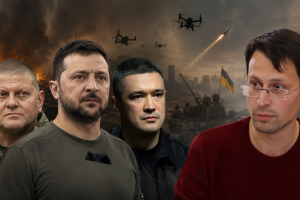
The Syrskyi feud was not it: why Ukraine really dropped its drone-war minister
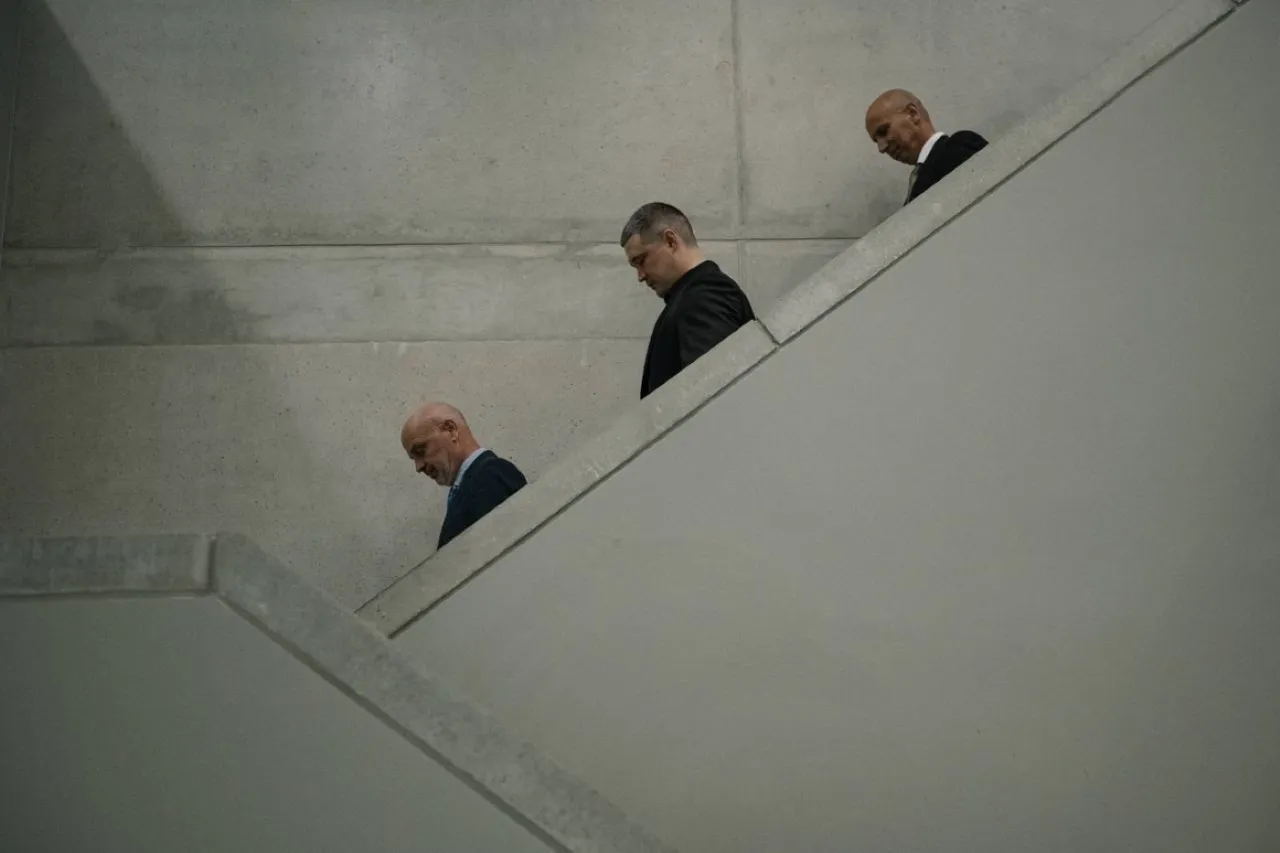 Then-Defense Minister Mykhailo Fedorov (center) during a visit to the TNO defense research center in the Netherlands, one of the partnership trips he highlighted in his farewell message. Photo: Mykhailo Fedorov / Telegram
Euromaidan Press, July 16, 2026
Zelenskyy has cast the decision as a management problem. At a Servant of the People faction meeting on 15 July, he pointed to a running conflict between Fedorov and Commander-in-Chief Oleksandr Syrskyi. He said Fedorov had failed to deliver mobilization reform, according to lawmakers who were there.
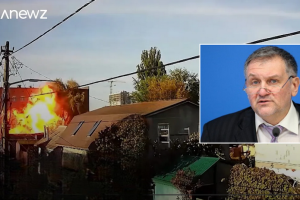
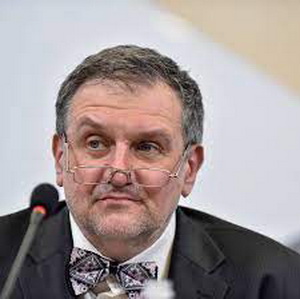 Olexiy Haran, professor of comparative politics at the National University of Kyiv-Mohyla Academy and research advisor at the Ilko Kucheriv Democratic Initiatives Foundation, offered Euromaidan Press a different read.
The stated reason for dismissing Prime Minister Yulia Svyrydenko—the need for an energy specialist before winter—was unpersuasive, he said, since outgoing first deputy prime minister and energy minister Denys Shmyhal was already a high-level specialist in the field.
The more convincing explanation lay in Fedorov: dissolving the whole cabinet let Zelenskyy drop him without a targeted dismissal vote that would have drawn a scandal.
 Anti-corruption campaigner Daria Kaleniuk reached the same conclusion, telling the Kyiv Independent the entire government resignation was conceived to remove Fedorov.
The trigger, Haran said, may be Fedorov’s popularity. In a recent KIIS poll from May and early June, more Ukrainians trusted Fedorov than distrusted him by a margin of 29 points—wider than Zelenskyy’s 27, and beaten only by the Kharkiv mayor and the war’s most-trusted commanders, among them former army chief Valerii Zaluzhnyi.
Zelenskyy, Haran said, may have come to see his defense minister as a rival, and he predicted the removal would only lift Fedorov’s standing.