Kyiv’s Mobilization Reform Falls Short on Trust
Mreast.eu, July 23, 2026
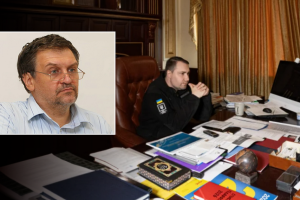
Political scientist Oleksii Haran, research advisor at the Democratic Initiatives Foundation, believes Ukraine failed to prepare society in time for a war of attrition. Following the successes of 2022 and the high expectations surrounding the 2023 counteroffensive, many Ukrainians hoped the war would end quickly. When that did not happen, Haran argues, the authorities failed to have an honest conversation with society about the new reality and the need for prolonged mobilization.
According to Oleksii Haran, mobilization reform cannot be limited to changing how individual institutions operate. It requires a new model of relations among the state, the armed forces and society, a process that took years in other countries.
The political scientist cites Israel and Finland as examples. In both countries, citizens know in advance what their obligations would be in the event of mobilization, undergo regular training and serve under clear and predictable rules. Ukraine did not have time to build such a system before the fullscale invasion and is now being forced to do so while active hostilities continue.
Haran identifies the further development of a recruitmentbased model as one step in this direction, allowing citizens to choose their military unit and specialization. Another would be the introduction of fixedterm contracts establishing a defined period of service and guaranteeing the right to a deferment upon its completion.
At the same time, Haran emphasizes that even the mechanisms already in place do not always work as intended. “The foundations of this model have already been laid. However, at the level of the TCCs and training centers, a conscript is not always able to secure assignment to the military unit they have chosen.”
Clear rules governing the exemption of employees at critical enterprises and the granting of mobilization deferments are equally important. These procedures must be predictable for both citizens and employers.