The Political Calculus of Peace
The Kyiv Independent, Oct. 20, 2026
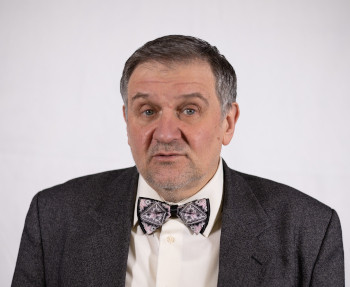
For Kyiv, accepting a freeze along the current front line would already be a "huge concession," argues Olexiy Haran, politics professor at the Kyiv Mohyla Academy and research advisor at the Democratic Initiatives Foundation.
"Twenty percent of our territory remains under occupation, where every day brings terror and the destruction of everything Ukrainian," he adds. "These are speculations. Putin has no interest in negotiations or compromise. He wants it all."
Some see the recent flurry of peace proposals as an attempt to see how far public opinion has shifted, as they grapple with intensified Russian attacks and brace for another difficult winter.
"I wouldn’t rule out the possibility that the authorities are testing the waters to see how society reacts," Haran says.
Recent polls showed that despite the hardships that Ukrainians face, public views on ending the war and the means of achieving peace have changed little over the past year.
The latest KIIS poll published Oct. 19 showed around 64% of respondents blamed Russia for stalling peace negotiations and rejected the idea that Ukraine’s government should be more willing to compromise.
The same poll found that around 62% of Ukrainians are prepared to endure the war for as long as necessary.
For those who spoke to the Kyiv Independent, calls for peace overlook a basic obstacle — Putin has shown no willingness to compromise. His demand that Ukraine withdraw from Donbas comes with no guarantee that Russian forces would not advance into neighbouring regions.
For more, see The Kyiv Independent