Addis Ababa Seminar: Ukraine Peace Formula
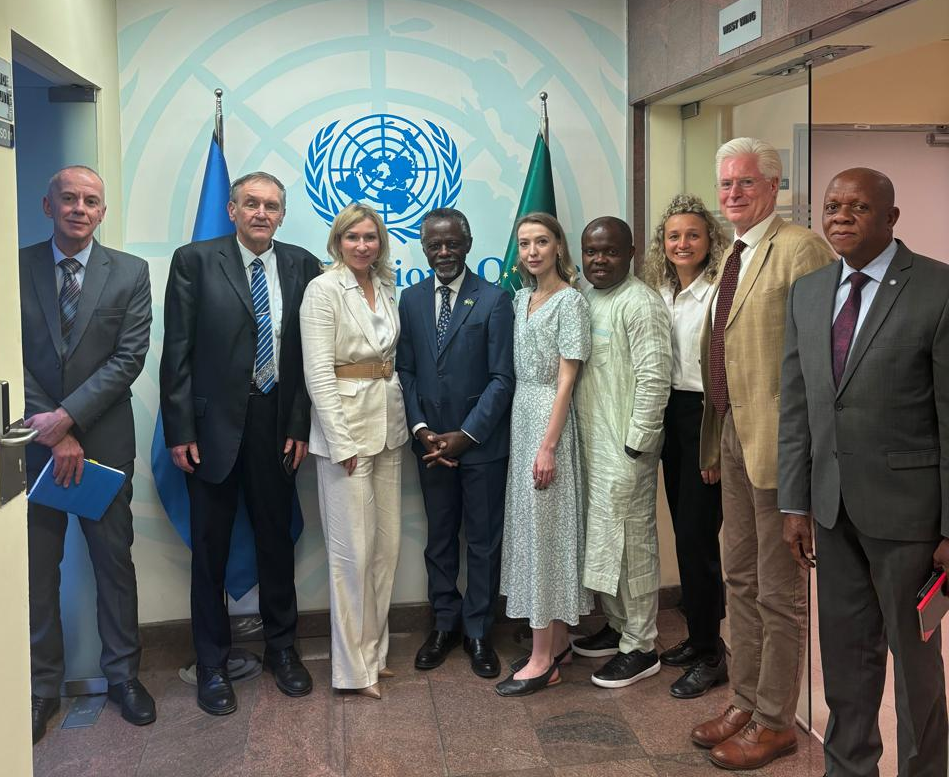
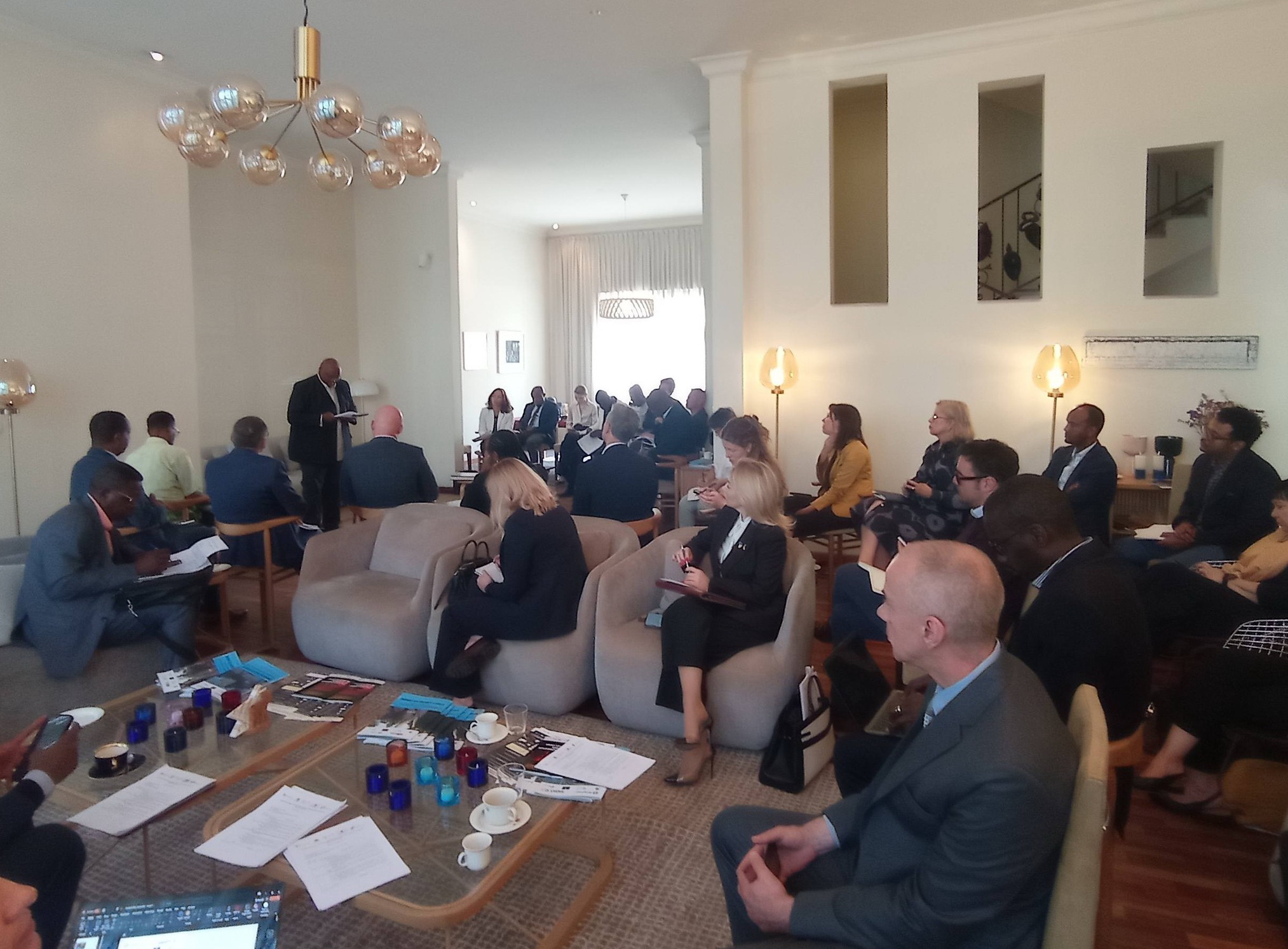
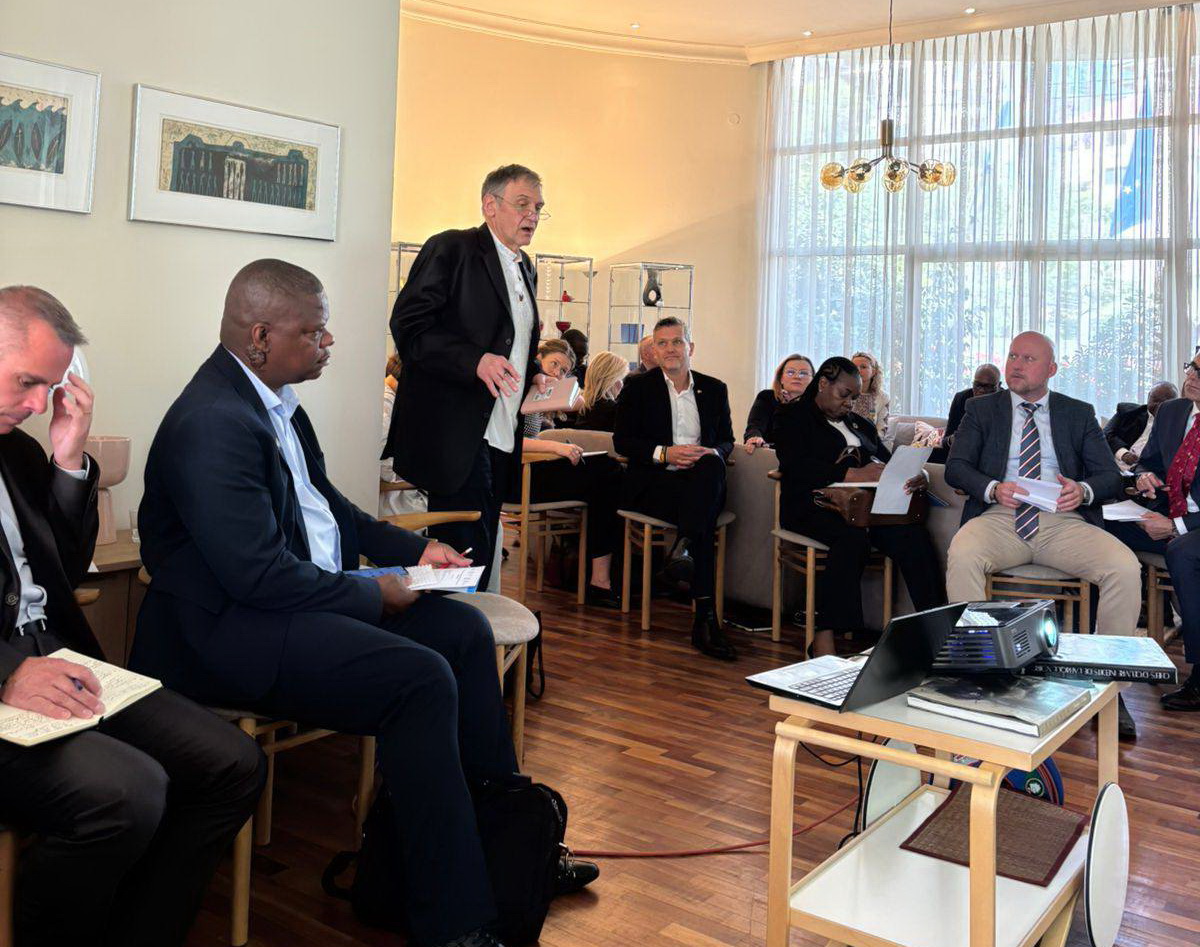
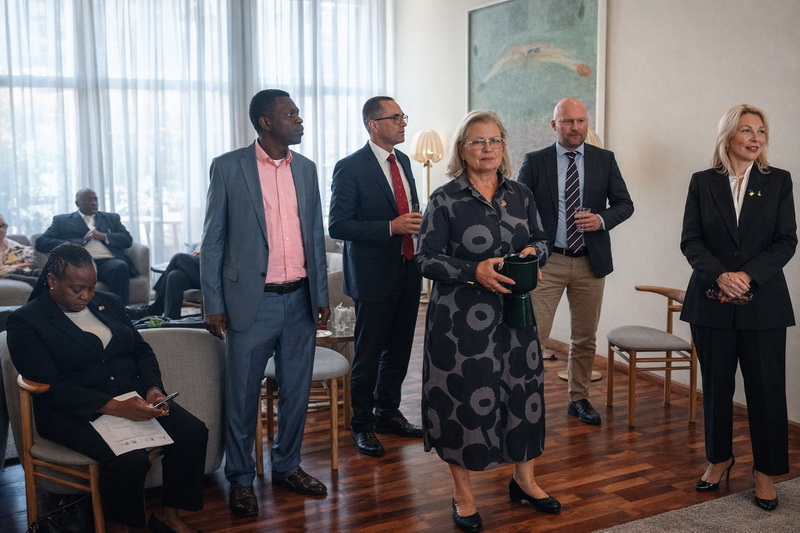
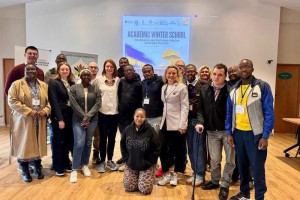
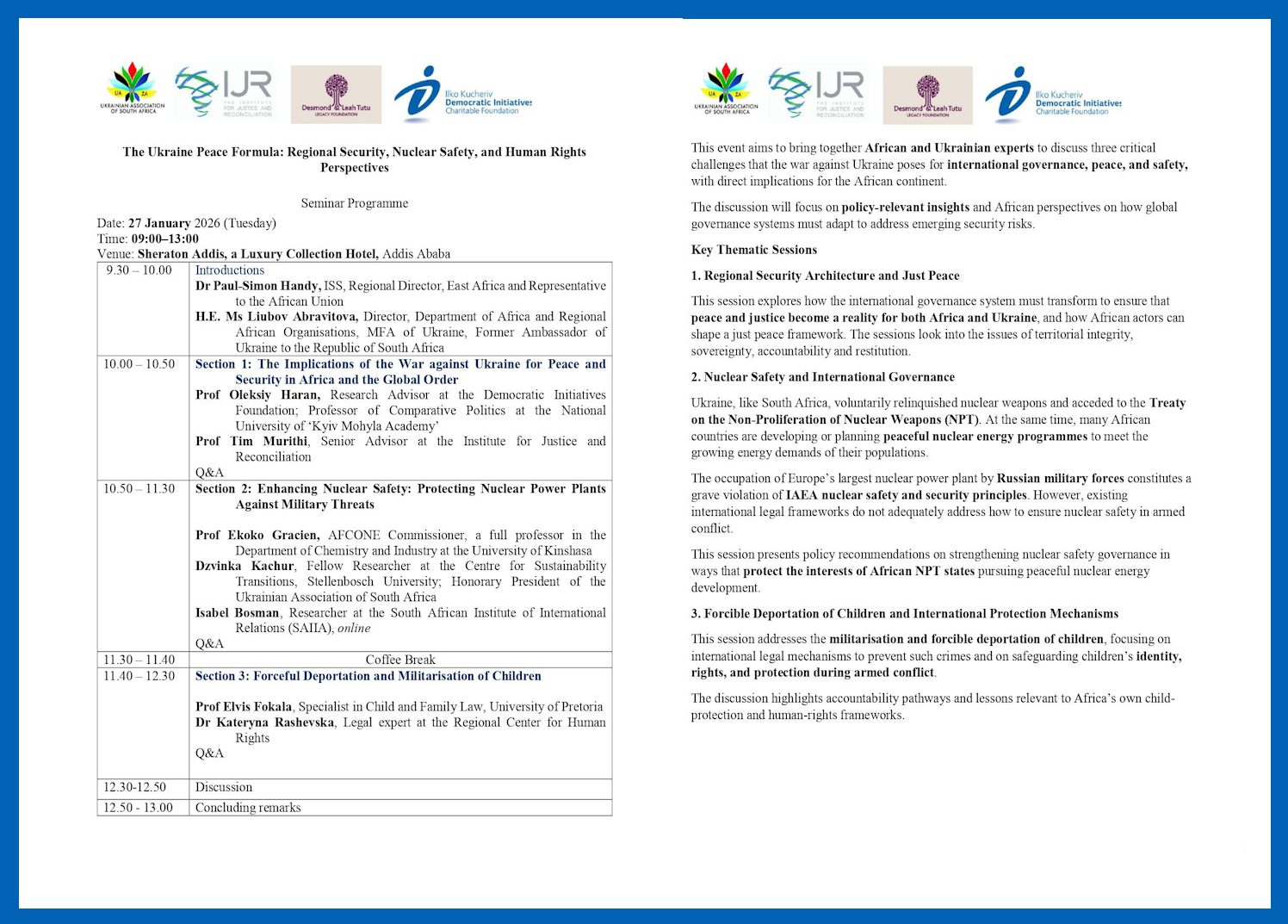
From 26–28 January, a joint delegation of South African and Ukrainian experts visited Addis Ababa, Ethiopia, to convene a high-level seminar on the Ukraine Peace Formula, focusing on regional security, nuclear safety, and human rights.
The seminar created a platform for African and Ukrainian experts, policymakers, diplomats, and students to engage critically with the fast-evolving risks that the russian full-scale invasion of Ukraine poses not only to Europe, but to the African continent and the broader international system.
The seminar created a platform for African and Ukrainian experts, policymakers, diplomats, and students to engage critically with the fast-evolving risks that the russian full-scale invasion of Ukraine poses not only to Europe, but to the African continent and the broader international system.
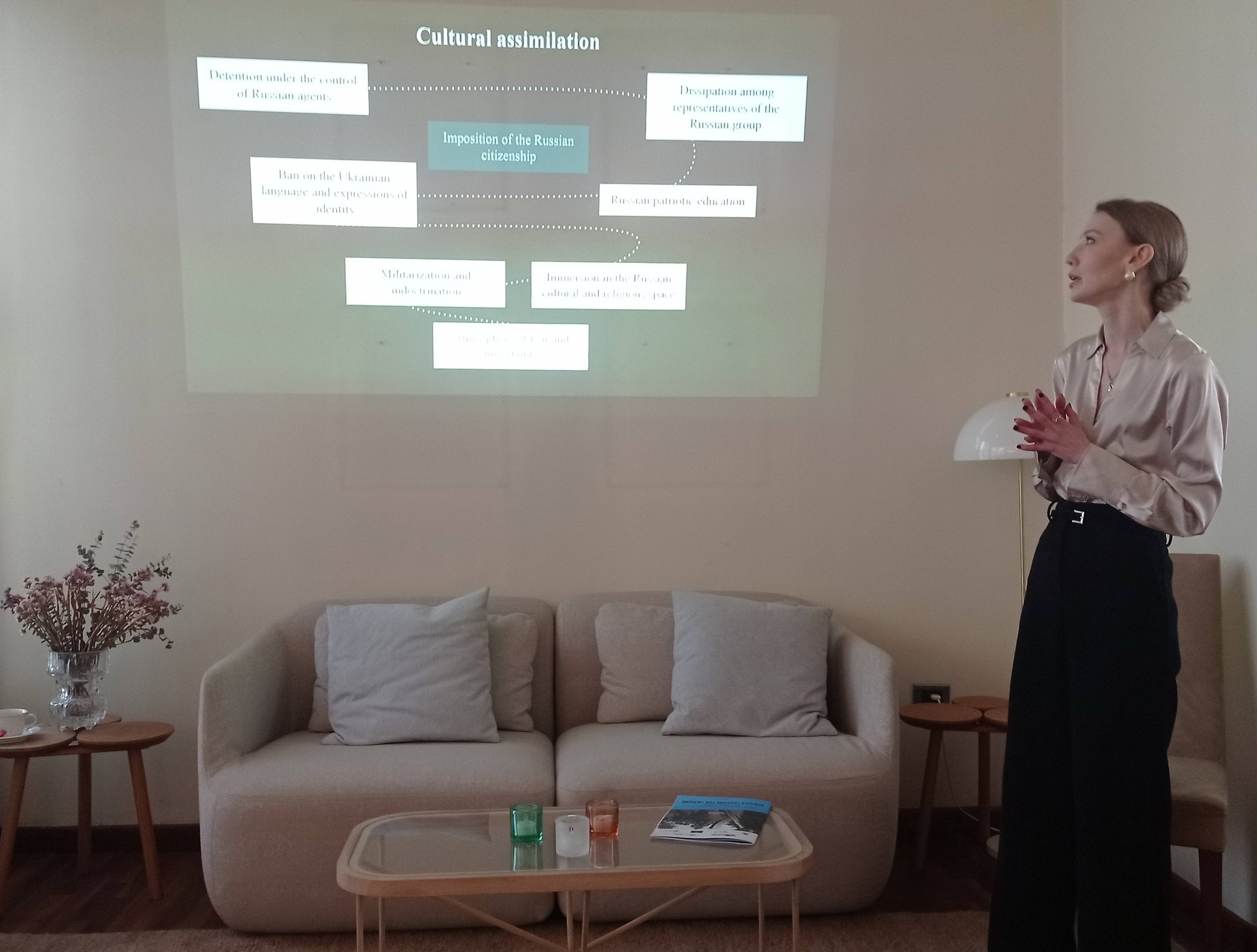
During the seminar two policy briefs were presented on the “Policy Insight Paper: Addressing Militarisation, Recruitment, Abduction, and Indoctrination of Children: Africa’s Lessons for Ukraine” and “Enhancing Nuclear Safety: Protecting Nuclear Power Plants Against Military Threats”.
Why this conversation matters for Africa?
The war against Ukraine has exposed deep weaknesses in global governance structures. Participants emphasised that the current international system, such as the UN architecture, must be transformed to remain credible and effective. A more representative UN Security Council and meaningful restraint on the veto are increasingly seen as necessary not only for the survival of individual states, but for global peace and humanity as a whole.
The discussions were policy-oriented and grounded in African perspectives, highlighting how African actors can shape emerging frameworks for a just and sustainable peace.
Key Thematic Sessions:
1. Regional Security Architecture and Just Peace
This session examined how international governance must evolve to uphold territorial integrity, sovereignty, accountability, and restitution. Participants reflected on how African leadership and diplomatic traditions can help shape a just peace framework that protects smaller and mid-sized states against aggression.
1. Regional Security Architecture and Just Peace
This session examined how international governance must evolve to uphold territorial integrity, sovereignty, accountability, and restitution. Participants reflected on how African leadership and diplomatic traditions can help shape a just peace framework that protects smaller and mid-sized states against aggression.
2. Nuclear Safety and International Governance
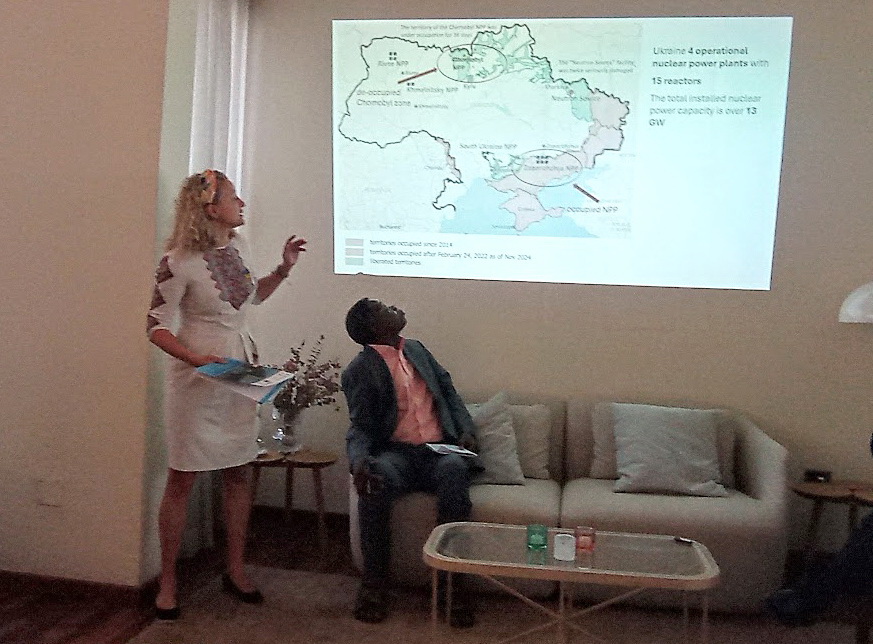
Both Ukraine and South Africa voluntarily relinquished nuclear weapons and acceded to the Treaty on the Non-Proliferation of Nuclear Weapons (NPT). Today, 22 African countries have expressed interest in nuclear energy, and at least 14% of global uranium production originates from the continent.
Yet the military occupation of the Zaporizhzhya Nuclear Power Plant, the tenth largest globally, represents an unprecedented violation of nuclear safety and security principles under the International Atomic Energy Agency framework.
Existing international legal instruments do not sufficiently regulate nuclear safety in situations of armed conflict. The session presented policy recommendations to strengthen global nuclear governance, ensuring that African NPT states pursuing peaceful nuclear energy development are protected from the consequences of militarised nuclear facilities.
Both Ukraine and South Africa voluntarily relinquished nuclear weapons and acceded to the Treaty on the Non-Proliferation of Nuclear Weapons (NPT). Today, 22 African countries have expressed interest in nuclear energy, and at least 14% of global uranium production originates from the continent.
Yet the military occupation of the Zaporizhzhya Nuclear Power Plant, the tenth largest globally, represents an unprecedented violation of nuclear safety and security principles under the International Atomic Energy Agency framework.
Existing international legal instruments do not sufficiently regulate nuclear safety in situations of armed conflict. The session presented policy recommendations to strengthen global nuclear governance, ensuring that African NPT states pursuing peaceful nuclear energy development are protected from the consequences of militarised nuclear facilities.
3. International Protection Mechanisms against Forcible Deportation and Militarisation of Children
The recruitment, indoctrination, and exploitation of children in armed conflict remains a grave violation of international law and a persistent challenge across Africa and beyond. Despite regional and international legal frameworks, children continue to be used as soldiers, porters, spies, and instruments of war. The problem has become increasingly systematic and complex, as illustrated by the forcible deportation, militarisation, and indoctrination of Ukrainian children by the Russian Federation. This underscores that child exploitation in armed conflict is not only an African issue but a global one — and that Africa’s experience offers critical lessons for strengthening international responses.
The recruitment, indoctrination, and exploitation of children in armed conflict remains a grave violation of international law and a persistent challenge across Africa and beyond. Despite regional and international legal frameworks, children continue to be used as soldiers, porters, spies, and instruments of war. The problem has become increasingly systematic and complex, as illustrated by the forcible deportation, militarisation, and indoctrination of Ukrainian children by the Russian Federation. This underscores that child exploitation in armed conflict is not only an African issue but a global one — and that Africa’s experience offers critical lessons for strengthening international responses.
Participants discussed accountability pathways and explored lessons relevant to Africa’s own child-protection and human-rights frameworks.
The seminar is part of the activities organised by a collaborative platform for South African and Ukrainian experts, which was established in December 2023 by four civil society organisations: the Institute for Justice and Reconciliation, the Desmond and Leah Tutu Legacy Foundation, the Ilko Kucheriv Democratic Initiatives Foundation, and the Ukrainian Association of South Africa. Academic and civil society stakeholders within this initiative focus on key areas linked to the African Peace Mission and Ukraine Peace Formula.
The seminar is part of the activities organised by a collaborative platform for South African and Ukrainian experts, which was established in December 2023 by four civil society organisations: the Institute for Justice and Reconciliation, the Desmond and Leah Tutu Legacy Foundation, the Ilko Kucheriv Democratic Initiatives Foundation, and the Ukrainian Association of South Africa. Academic and civil society stakeholders within this initiative focus on key areas linked to the African Peace Mission and Ukraine Peace Formula.